The Hidden Dangers of Hard Water: Protecting Your Home and Health Jan 12, 2026
Hard water can cause significant damage to your home’s plumbing system. The minerals accumulate over time, forming limescale deposits in pipes, fixtures, and appliances. This buildup can lead to reduced water flow, clogged pipes, and inefficient water heaters. If left unchecked, the need for frequent repairs or replacement of appliances like dishwashers and washing machines may rise, costing you time and money. Homeowners using hard water often face skyrocketing energy bills due to the inefficiency caused by mineral deposits, which make heating elements work harder to deliver the same level of performance.
The negative effects of hard water extend beyond your home’s infrastructure. Its impact on daily household tasks can be frustrating. For instance, the minerals in hard water react with soap to create a curd-like substance instead of lather, making cleaning tasks more difficult and less effective. You may notice a filmy, dull residue on dishes, glasses, and even your skin and hair. Clothes washed in hard water may feel rough and wear out sooner, forcing you to replace them more often than you'd like.
Health-wise, while hard water is generally safe to drink, it can have implications on skin and hair, particularly for those with sensitive skin or conditions like eczema. The mineral deposits might lead to dry, itchy skin and dull, brittle hair. Moreover, some studies suggest a correlation between hard water and certain health conditions when consumed over extended periods; however, these findings require more research for confirmation.
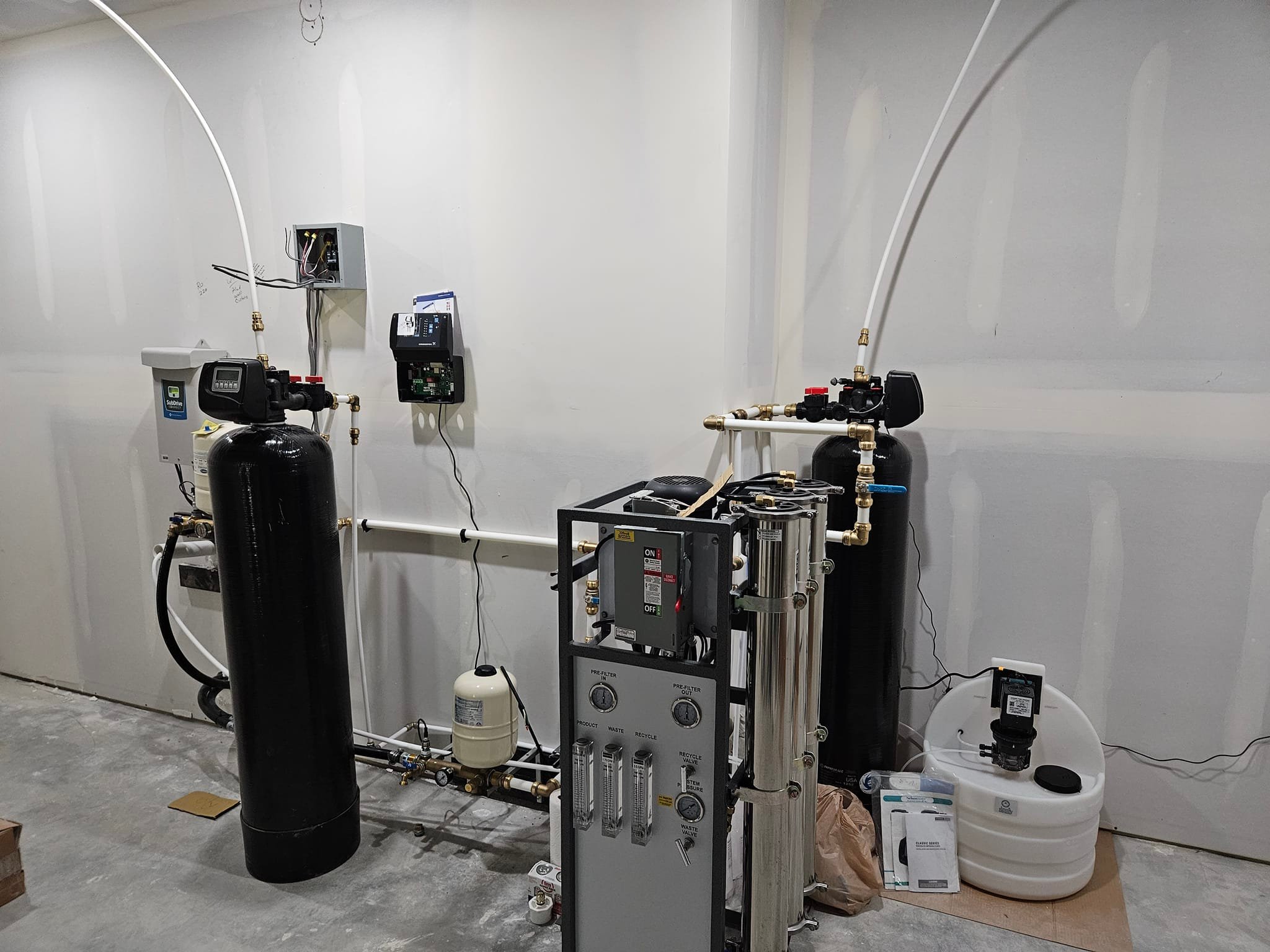
Addressing hard water issues involves understanding your specific water quality. You can start by conducting a test to determine the hardness level. Once confirmed, installing a water softener is an effective solution. These systems work by exchanging hard minerals for sodium or potassium ions, significantly reducing the mineral content of your water. Not only does this prevent the future buildup of limescale, but it also aids in enhancing the efficiency of soaps and detergents.
Regular maintenance of your water softening system ensures optimum performance. Consult with water treatment experts, like The Water Guy, who can provide customized solutions tailored to your needs. In addition to expert advice, they may offer comprehensive services including installation and routine check-ups, thereby safeguarding your home and ensuring longevity of appliances.
While often overlooked, the dangers of hard water are both extensive and preventable. By recognizing the signs early and taking corrective measures, you can protect your home and health from its hidden perils. Remember, investing in a water treatment solution not only preserves your home infrastructure but also enhances your quality of life through better water quality.
For those living in hard water regions, addressing these issues proactively with reliable partners can lead to long-term peace of mind and substantial savings. Make the wise choice to protect your home with professional insight from experienced companies like The Water Guy.
/filters:no_upscale()/filters:format(webp)/media/6312298e-8990-4449-a3ce-e8a3a082909e.jpeg)
/filters:no_upscale()/filters:format(webp)/media/2060fcb5-5a6e-4efd-b0dd-fc4c67c763e0.jpg)