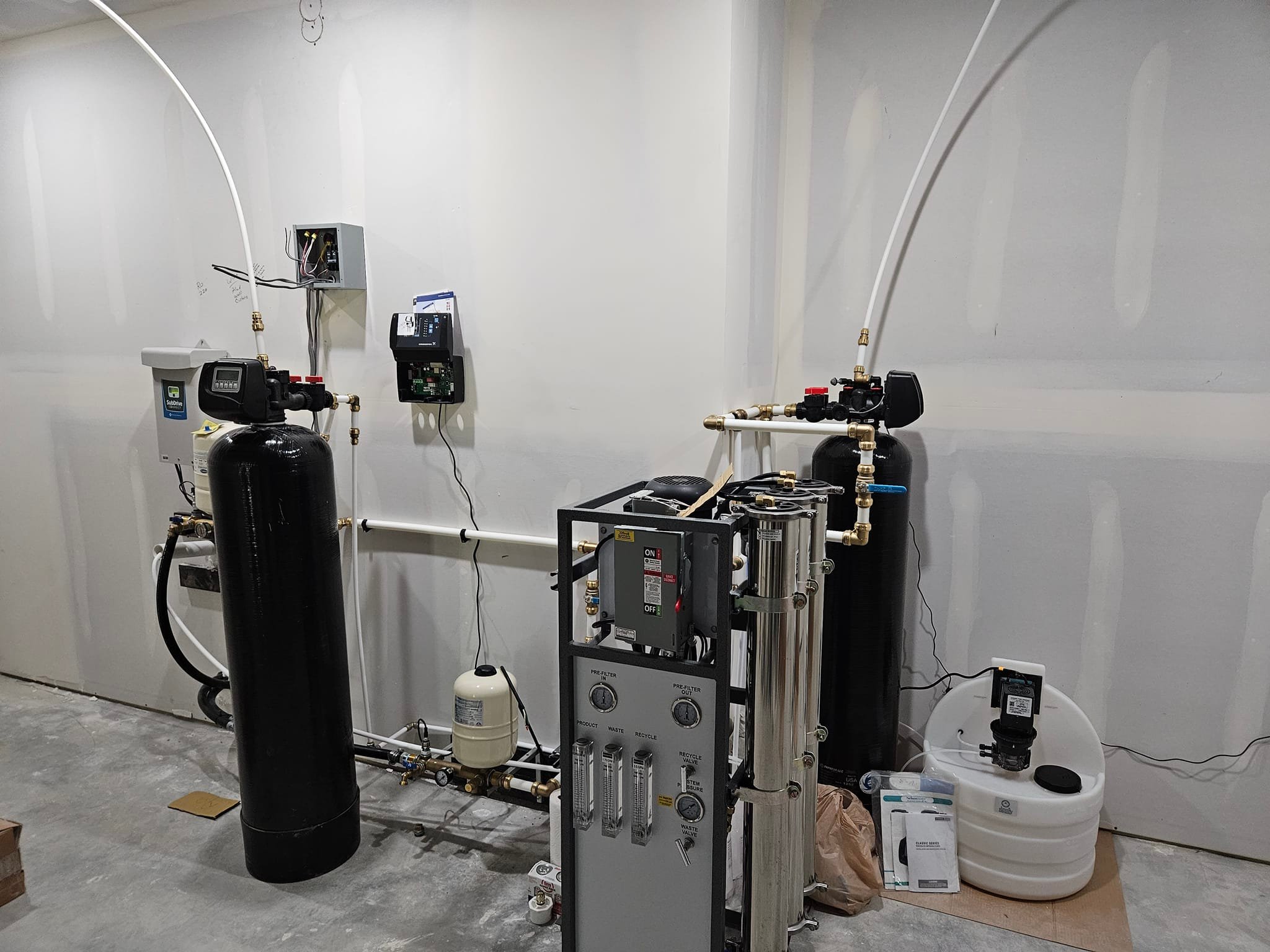
How to Detect and Resolve Water Pressure Issues in Your Home Feb 05, 2026
Understanding the Symptoms of Low Water Pressure
The first step in resolving water pressure issues is recognizing them. Common signs of low water pressure include weak flow in showers and faucets, appliances taking longer to fill, and toilets that don't flush properly. These problems often stem from underlying causes such as clogged pipes, faulty plumbing fixtures, or water supply issues. In some cases, your municipality's water supply may be the culprit, so it's always wise to check with them if widespread, unexpected changes occur.
Identifying Causes of Water Pressure Problems
Once you've noticed signs of water pressure issues, it's time to diagnose the cause. Start by checking the fixtures and faucets throughout your home. If the problem is isolated to one area, it's likely due to a localized issue such as a clogged aerator or shut-off valve. Unscrew the faucet's aerator to check for debris or sediment that might be blinding water flow.
Next, inspect your home's plumbing system for leaks or damage. Even a small leak can significantly reduce water pressure. Identifying leaks requires attention to detail; you may notice damp areas on walls, ceilings, or floors, or hear water when none is running.
Your water pressure regulator, if present, may need adjusting or replacing, particularly in older homes where parts tend to wear out over time. This device, located where the main water line enters your home, is critical in maintaining stable water pressure and preventing potential plumbing damage.
Solving Water Pressure Issues
After diagnosing the cause, you can proceed to resolve the issues. For minor localized problems, replacing or cleaning a faucet aerator can quickly restore pressure. If the problem is sediment build-up, running faucets to flush the system can sometimes help, but persistent deposits may require professional cleaning or pipe replacement.
For more severe issues, such as a malfunctioning pressure regulator or extensive leakage, professional intervention from a reliable water treatment service like The Water Guy is advisable. Professionals can accurately adjust the pressure regulator or repair leaks, ensuring that your water system operates efficiently and safely.
Preventive Measures for Sustained Water Pressure
To prevent future water pressure issues, regular maintenance is key. Routinely clean fixtures and aerators to prevent sediment build-up. Inspect plumbing systems periodically and promptly repair any identified leaks or damages. Additionally, consider installing a water softener, which can reduce the mineral deposits that often contribute to blockages and reduced pressure.
Regular checks and maintenance by water treatment experts can ensure that potential issues are caught and fixed early, extending the life of your home's plumbing systems and maintaining top-notch water pressure.
In conclusion, detecting and resolving water pressure issues in your home is part science, part maintenance. By understanding common symptoms, diagnosing the root causes, and applying the right solutions, you can enjoy consistent high water pressure and the comfort it brings. For complex issues, don't hesitate to contact professionals like The Water Guy, who offer expert services to keep your home running smoothly. Thus, maintaining the health of your home's water systems ensures that you continue to enjoy uninterrupted, strong water pressure every day.
/filters:no_upscale()/filters:format(webp)/media/6312298e-8990-4449-a3ce-e8a3a082909e.jpeg)
/filters:no_upscale()/filters:format(webp)/media/2060fcb5-5a6e-4efd-b0dd-fc4c67c763e0.jpg)